
Bride Price in Nigeria Explained: What Couples Should Know
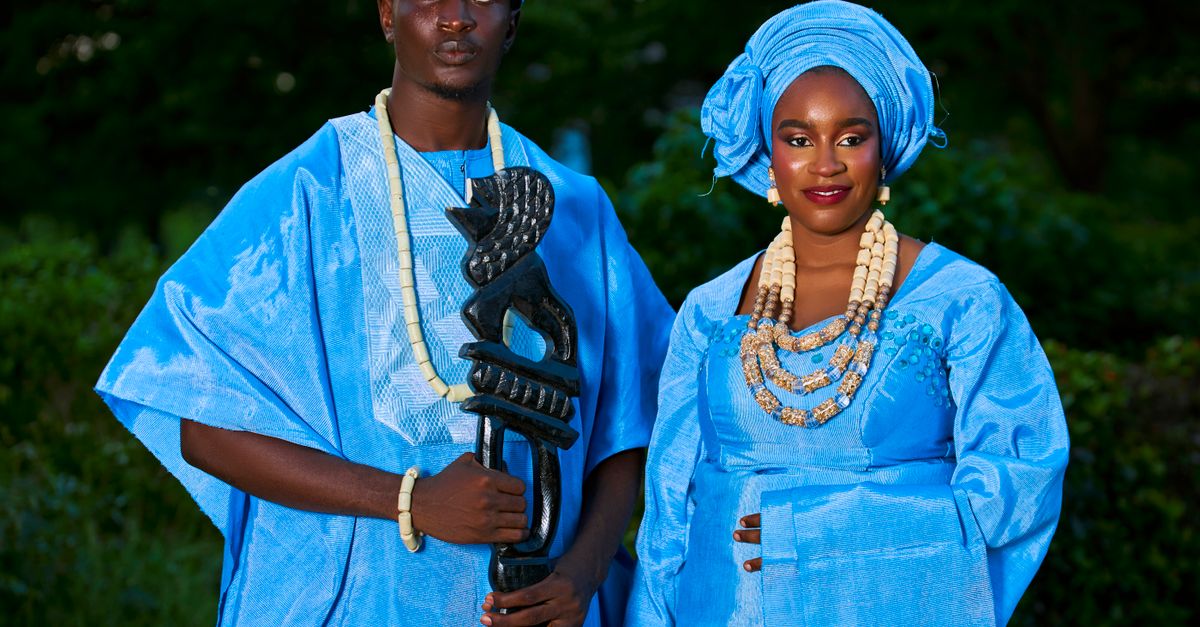
Bride price in Nigeria is one of the most talked-about parts of traditional marriage — and one of the most misunderstood. Some see it as a beautiful custom that joins two families; others worry it has become a transaction. The truth is that what bride price means, what it involves and how it's negotiated differ widely across cultures, families and faiths. Here's what couples should know, and how to talk about it before the big day.
What is bride price?
Bride price (sometimes called bride wealth, or loosely "dowry" in everyday speech) is a payment or set of gifts the groom's family presents to the bride's family as part of a traditional marriage. In many cultures it symbolises respect, appreciation and the formal joining of two families, and it's often a central part of the traditional wedding.
Strictly speaking, a dowry is what a bride's family gives, but in Nigeria many people use the two words interchangeably.
In Islamic marriage, the mahr is a gift the groom gives to the bride herself. It's a religious requirement, separate from any family customs. Many Christian couples combine a traditional ceremony, including bride price, with a church wedding.
How bride price differs across cultures in Nigeria
There is no single Nigerian bride price. Customs vary by ethnic group, community, family and even generation. Broadly:
- Some communities use a modest, symbolic sum of money alongside a list of items.
- Many families present a list — drinks, foodstuff, clothing, household items, gifts for the bride's mother and for kinsmen — and the items can matter as much as, or more than, any money.
- Some families return part or all of the money to the couple, as a sign that they are not "selling" their daughter.
- In some places the amount is fixed by tradition; in others it's discussed between families.
Because of this variety, never assume what a family expects based on stereotypes about their tribe or state. Ask. If you're from different backgrounds, read dating across tribes in Nigeria.
Who negotiates bride price?
Usually the families, not the couple. Typically:
- The groom's family — often fathers, uncles or a family spokesperson — visits the bride's family.
- The bride's family presents what's expected, often as a traditional list.
- There may be back-and-forth. In many cultures the negotiation is part of the ceremony itself, full of jokes, banter and gentle haggling.
The couple may not be at the table, but they should never be in the dark. Talk to each other first so you know what your families are likely to ask for and what you can realistically handle.
Where bride price fits in the process
The order differs between families, but a common pattern looks like this:
- The introduction — the families formally meet and the intention to marry is announced. Our guide to the introduction ceremony in Nigeria explains what usually happens.
- Collecting the list — the bride's family shares what's required.
- Negotiation and payment — sometimes at a separate visit, sometimes on the day.
- The traditional wedding — where bride price is often presented and accepted publicly.
Before any of this, you'll likely have met each other's parents informally. Our guide to meeting your partner's parents in Nigeria helps with that first step.
How to talk about bride price as a couple
This is where many couples get stuck, because money, family and pride all collide. A few tips:
Sponsored
Talk early
Don't wait until the list arrives. Once you're both serious, ask: "What does your family usually do for traditional marriage? What should we expect?" It belongs on any list of questions to ask before marriage.
Be honest about money
Weddings can be expensive, and bride price is only one part. Discuss your budget for the whole process — introduction, traditional wedding, religious or court wedding, reception — and how it fits with your life after the wedding. Starting married life in debt for one day isn't wise. Our guide to talking about money in a relationship can help.
Agree your position before the families meet
If the list is more than you can manage, decide together how to handle it. The bride can often speak to her own family more easily — a respectful word from inside the family usually goes further than pushback from the groom's side.
Respect the meaning
Even if you think parts of the tradition are outdated, don't mock it in front of family. For many elders, bride price represents honour and family ties. Respectful conversation gets far better results than dismissing it.
Common worries about bride price
- "Does it mean she's being bought?" Many families firmly reject that idea and see bride price as appreciation, not purchase. Couples can decide together what the custom means to them.
- "What if we can't afford it?" Talk honestly with both families. Many are flexible when approached with respect.
- "What if our families' customs clash?" Let each family explain its traditions. There's often a way to honour both.
- "Do we have to do it at all?" That's a decision for you and your families. Some couples keep a symbolic version; others follow tradition in full.
Frequently asked questions
How much is bride price in Nigeria?
There's no standard amount. It varies by ethnic group, community and family, and many lists include items as well as — or instead of — a large sum of money. The only reliable way to know is to ask the bride's family, through your partner.
What is the difference between bride price and dowry?
Traditionally, bride price is given by the groom's family to the bride's family, while a dowry is given by the bride's family. In Nigeria, many people say "dowry" when they mean bride price.
Can bride price be refunded?
In some cultures, bride price may be returned if a marriage ends, but customs differ widely. Separately, some families hand part of it back to the couple at the ceremony as a gesture of goodwill.
Is bride price the same as mahr?
No. Mahr is an Islamic marriage gift from the groom to the bride herself, while bride price is a cultural custom between families. Muslim couples may have both, depending on their families.
Build on shared values
Bride price conversations go best between people who already agree on the big things — marriage, timing, family. On Baejá, members choose an intention like Marriage or Serious, so you can find someone heading the same way. Create your Baejá profile and start with clarity.
Sponsored
Ready to meet real Nigerians?
Look for the Gold Seal — a face check our team matched to the photos. Every intro is a voice note.
Comments
Keep reading

Genotype and Marriage: When and How to Have the Talk
AA, AS, SS — why genotype matters for couples planning children, when to bring it up while dating, where to test in Nigeria, and how to talk about it kindly.

Pre-Marital Counselling in Nigeria: Is It Worth It?
Church, mosque or private counsellor? What pre-marital counselling covers, what to expect in sessions, and why couples who do it start marriage stronger.

Single in Nigeria: Handling "When Are You Getting Married?"
Weddings, family meetings and the same question every time. How to handle marriage pressure in Nigeria with grace, protect your peace, and date on your own timeline.