
Pre-Marital Counselling in Nigeria: Is It Worth It?
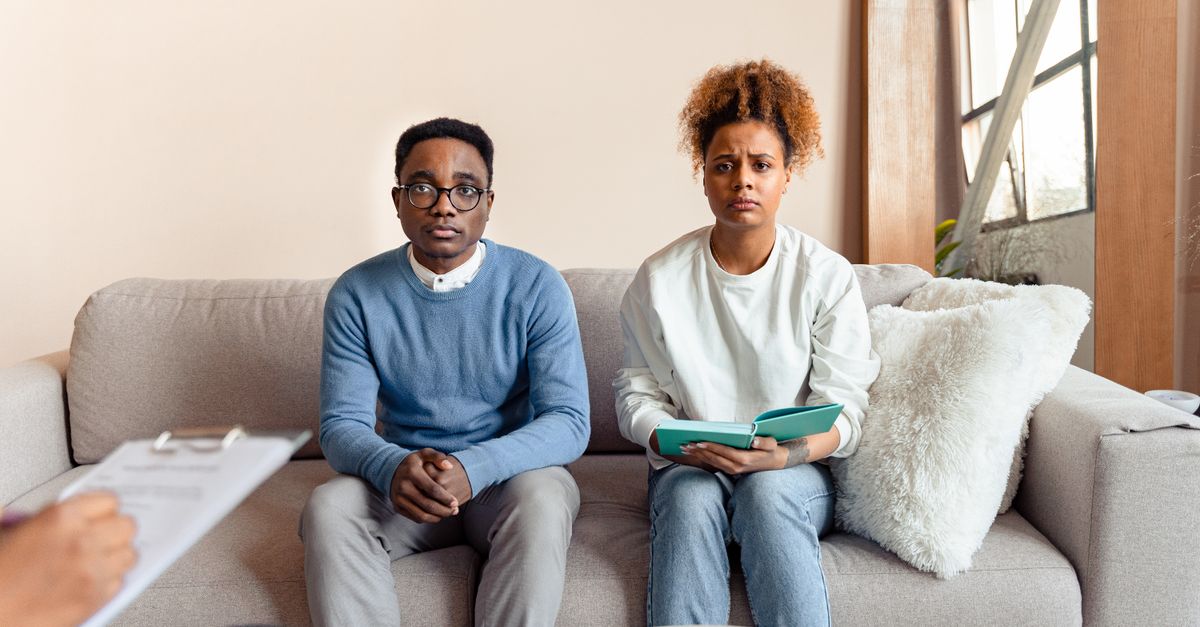
Pre-marital counselling in Nigeria is often treated as a box to tick before a church wedding or a nikah. But done properly, it's one of the best investments a couple can make: a structured space to talk about money, family, intimacy, faith, conflict and children before the pressure of married life arrives. Is it worth it? For most couples, yes. Here's what it covers, what to expect and how to choose.
What is pre-marital counselling?
Pre-marital counselling is a series of guided sessions for engaged or seriously committed couples, led by a pastor, an imam, a trained marriage counsellor or a therapist. The aim isn't to decide for you whether you should marry. It's to help you understand each other better, spot potential problems early and build the skills to handle them.
In Nigeria, many churches require it before they'll conduct a wedding. Some mosques and Islamic organisations offer marriage guidance too, and private counsellors and therapists run sessions for couples of any faith.
What does pre-marital counselling cover?
Programmes differ, but most touch on:
- Communication — how you talk, listen and handle disagreement
- Money — income, debts, budgeting, family support, joint or separate accounts
- Family and in-laws — boundaries, expectations and extended family roles
- Roles at home — chores, careers and who does what
- Intimacy — expectations, past experiences and honest conversation
- Children — whether, when, how many and how you'll parent
- Faith — worship as a couple, especially across faiths or denominations
- Health — including genotype and medical history
- Conflict and forgiveness — how you'll repair after hurt
Some counsellors use questionnaires or exercises so you can see clearly where you agree and where you don't.
Church, mosque or private counsellor?
Church counselling
Usually led by a pastor or a marriage ministry team, often over several weeks. It tends to be low-cost or free, is rooted in Christian teaching and is often required for a church wedding. Quality varies: some programmes are excellent and practical, others feel more like lectures.
Mosque or Islamic counselling
Some mosques, imams and Islamic organisations offer guidance on marital rights, responsibilities and family life from an Islamic perspective. Ask at your mosque or within your community what's available.
Private counsellor or therapist
A trained marriage or family counsellor offers a confidential, structured approach. It suits couples who want deeper work, interfaith couples who want neutral guidance, or anyone who would rather not discuss personal matters within their faith community. Fees vary, so ask upfront.
Some couples do both: the required faith programme plus a few private sessions. If you're an interfaith couple, read Christian and Muslim relationships in Nigeria.
What to expect in sessions
- Several sessions, often weekly, rather than a single meeting.
- Questions for both of you, sometimes separately and sometimes together.
- Homework, like discussing a topic at home or filling out a questionnaire.
- Uncomfortable moments. You may discover differences you didn't know about. That's the point.
- Practical tools for communication, budgeting and handling conflict.
Go in honest. Counselling only helps if you answer truthfully, even when it's awkward.
Why pre-marital counselling is worth it
It surfaces the hard conversations early
While dating, many couples avoid tough topics because things feel good. Counselling makes you talk about them: debt, how many children, whether you'll live near family. Better to discover a difference now than five years in.
Sponsored
It gives you a neutral space
When a third person asks the question, it feels less like an attack. "The counsellor asked about money" is easier to hear than "Why are you always asking about my money?"
It builds skills, not just answers
Good counselling teaches you how to talk, listen and repair after a fight — skills you'll use for decades. See also healthy communication in relationships.
It can confirm you're ready — or show you're not
Sometimes counselling reveals that you need more time. That isn't failure. It's protection.
How to get the most from it
- Start early — ideally months before the wedding, not weeks.
- Treat it as preparation, not a formality.
- Bring your own questions. Our 40 questions to ask before marriage make a good list to work through.
- Talk about money properly, with real numbers. Our guide to talking about money in a relationship helps.
- Bring up health. If you haven't discussed genotype yet, now is the time — see genotype and marriage.
- Keep talking afterwards. Counselling isn't a one-time fix.
Red flags that can show up in counselling
Counselling can also reveal warning signs. Pay attention if your partner:
- Refuses to engage, or treats the sessions as a joke
- Lies about or hides major things like debts, children or health conditions
- Becomes angry or controlling whenever difficult topics come up
- Dismisses your concerns completely
These deserve to be taken seriously, even close to the wedding date.
Frequently asked questions
Is pre-marital counselling compulsory in Nigeria?
It isn't required by law, but many churches require it before they'll conduct a wedding. Requirements differ between churches and religious communities, so ask early.
How long does pre-marital counselling take?
It varies. Some programmes run for a few weeks, others for a few months. Starting early gives you time to absorb what you learn and act on it.
Can we do pre-marital counselling if we're from different faiths?
Yes, and interfaith couples often benefit most. You might attend sessions in both communities, or choose a private counsellor who can offer neutral guidance.
What if counselling shows we're not compatible?
That can be painful, but it's valuable to know. Some differences can be worked through with time and honest conversation; others may mean pausing or rethinking the relationship. A good counsellor will help you decide.
Start with someone who wants the same future
Strong marriages begin with two people who want the same things. On Baejá, members choose their intention upfront — including Marriage — so you can meet someone heading the same way. Create your Baejá profile when you're ready.
Sponsored
Ready to meet real Nigerians?
Look for the Gold Seal — a face check our team matched to the photos. Every intro is a voice note.
Comments
Keep reading
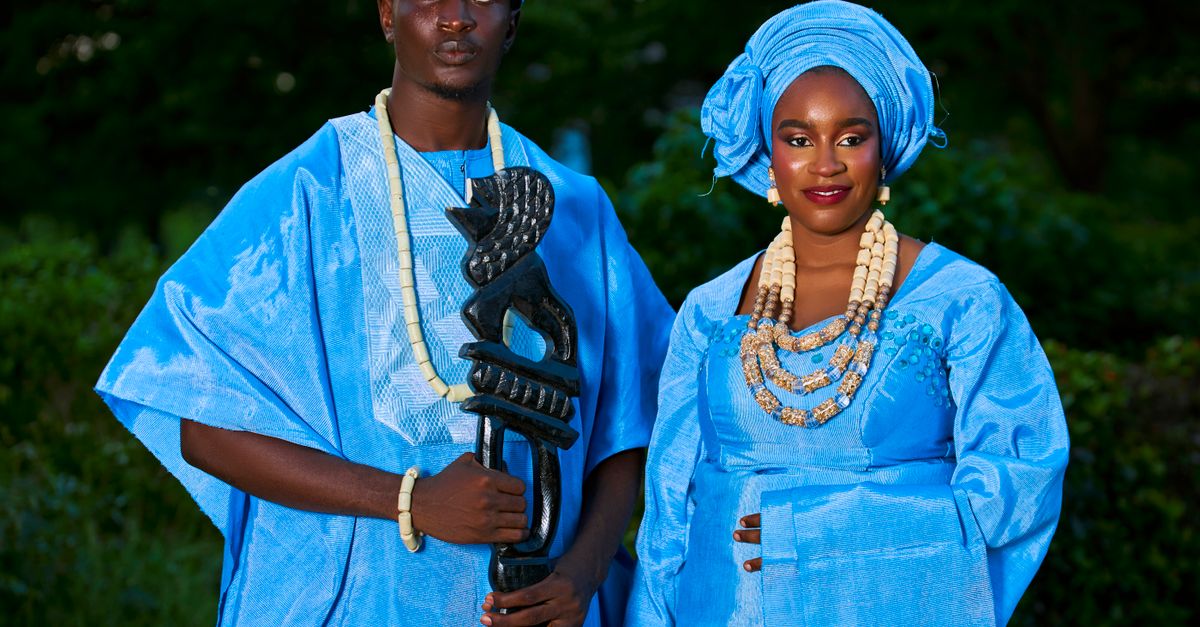
Bride Price in Nigeria Explained: What Couples Should Know
What bride price means, how it differs across cultures, who negotiates it, and how couples can talk about money and expectations before the big day.
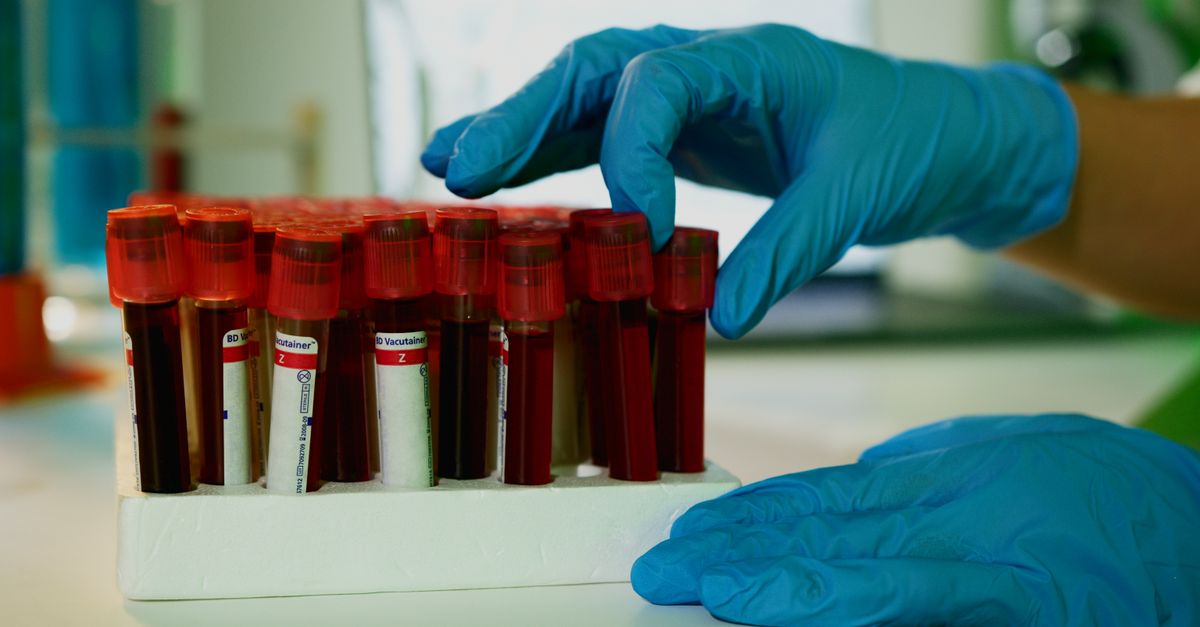
Genotype and Marriage: When and How to Have the Talk
AA, AS, SS — why genotype matters for couples planning children, when to bring it up while dating, where to test in Nigeria, and how to talk about it kindly.
Single in Nigeria: Handling "When Are You Getting Married?"
Weddings, family meetings and the same question every time. How to handle marriage pressure in Nigeria with grace, protect your peace, and date on your own timeline.