
Introduction Ceremony in Nigeria: A Guide for Couples
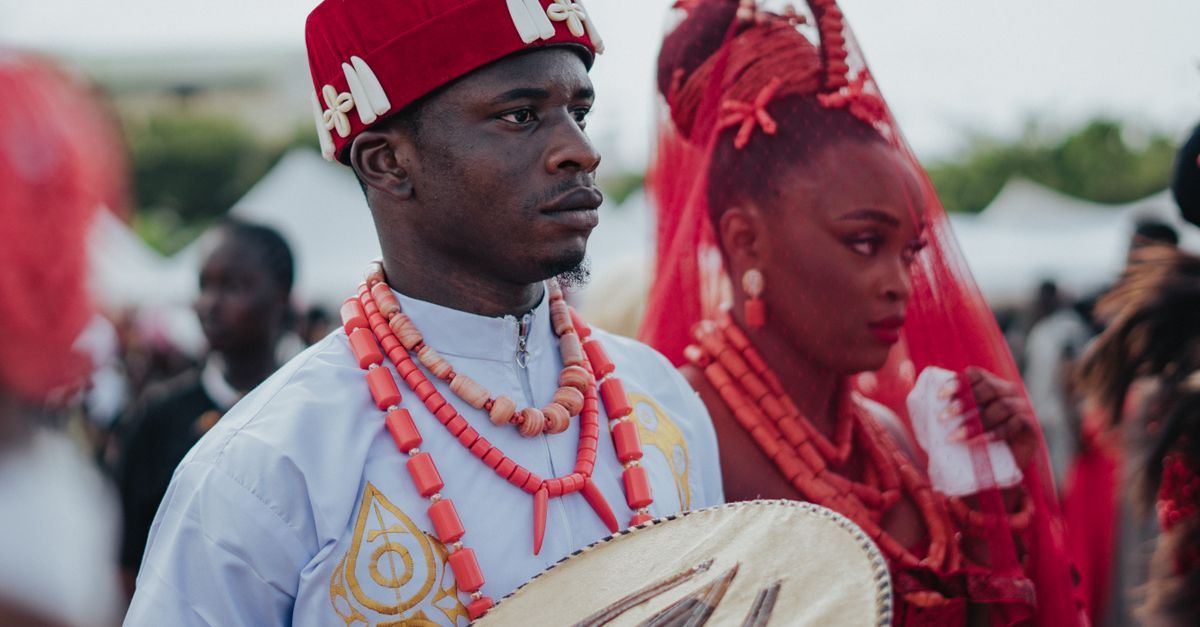
For many Nigerian couples, the introduction is the moment a relationship becomes a family matter. It's often the first formal meeting between two families, and it sets the tone for everything that follows. If you're planning one — or just starting to think about it — here's what to know.
What an introduction is
An introduction is a formal visit where the groom's family meets the bride's family to announce the couple's intention to marry. It's the families' way of saying "we know each other, and we approve of this union."
It usually comes before the traditional wedding (sometimes called the engagement, "wine carrying" or bride price ceremony, depending on the culture). In some families, the introduction is small and private; in others, it's a sizeable event.
Customs vary widely between Yoruba, Igbo, Hausa, Edo, Efik, Ijaw and other cultures — and between families in the same culture. Always check with the families involved rather than assuming.
How it's different from the traditional wedding
- Introduction: smaller, more intimate, focused on families meeting and formally agreeing. Often a list of requirements is given for the traditional wedding.
- Traditional wedding: larger celebration where customary rites are performed, bride price is paid, and the marriage is recognised by the families and community.
Some families combine the two, especially to save time and cost.
Who attends
Typically:
- The couple
- Parents or guardians of both
- Close family members and elders
- Sometimes a spokesperson for each family
Guest lists are usually small. Friends may or may not be invited, depending on the family.
What usually happens
While details differ, many introductions include:
- Arrival and welcome. The groom's family arrives at the bride's family home, often with gifts.
- Formal greetings and introductions by elders or spokespeople.
- Stating the purpose of the visit. The groom's family explains they have come because their son has found a partner in the bride's family.
- The bride's family's response. Often the bride is asked, in front of everyone, if she knows the groom and agrees.
- Exchange of gifts — drinks, kola nuts, fruit and other items depending on culture.
- Discussion of next steps, sometimes including the list for the traditional wedding.
- Prayers, food and celebration.
How couples can prepare
Talk to each other first. Before families get involved, make sure you agree on timing, budget, and what kind of ceremonies you want.
Learn each other's customs. If you're from different cultures, ask your partner's family what to expect. Our guide to dating across tribes in Nigeria covers this.
Sponsored
Prepare your family. Brief your parents about your partner's family — names, backgrounds, anything sensitive to be aware of.
Agree on a budget. Introductions can be simple or elaborate. Decide together what's reasonable. Our article on talking about money in a relationship can help with that conversation.
Know what's expected of you. Should you prostrate, kneel, wear a particular outfit, bring a specific gift? Ask in advance.
Keep your partner informed. Surprises at an introduction are rarely good.
What to wear
Most families expect traditional or smart native attire. Couples often coordinate colours or fabrics (aso ebi) with their families. Check with both families first — some have preferences.
Common challenges
- Family disagreements about timing, costs or customs. Stay united as a couple and let elders mediate where appropriate.
- Different expectations between cultures. Discuss openly and early.
- Pressure to overspend. Remember the introduction is the beginning, not the whole wedding.
- Religious differences. Talk about how faith will shape your ceremonies and your marriage.
Before the introduction: the conversations that matter
An introduction is a big step. Before you take it, make sure you've talked through the important things — children, money, faith, careers and family roles. Our list of 40 questions to ask before marriage is a good starting point, along with how to introduce your partner to a Nigerian family.
Every introduction starts with a first meeting
Before families meet, two people have to find each other. On Baejá, members looking for marriage can say so from the start, and every profile leads with a real voice — so you can find someone whose intentions match yours. Join Baejá and read our guide to dating for marriage in Nigeria.
Sponsored
Ready to meet real, verified Nigerians?
Every profile is NIN-verified. Every intro is a voice note.
Comments
Keep reading

How to Talk About Money in a Relationship
Salaries, black tax, spending habits, savings. When to talk about money with a partner, how to raise it without a fight, and what to agree on first.
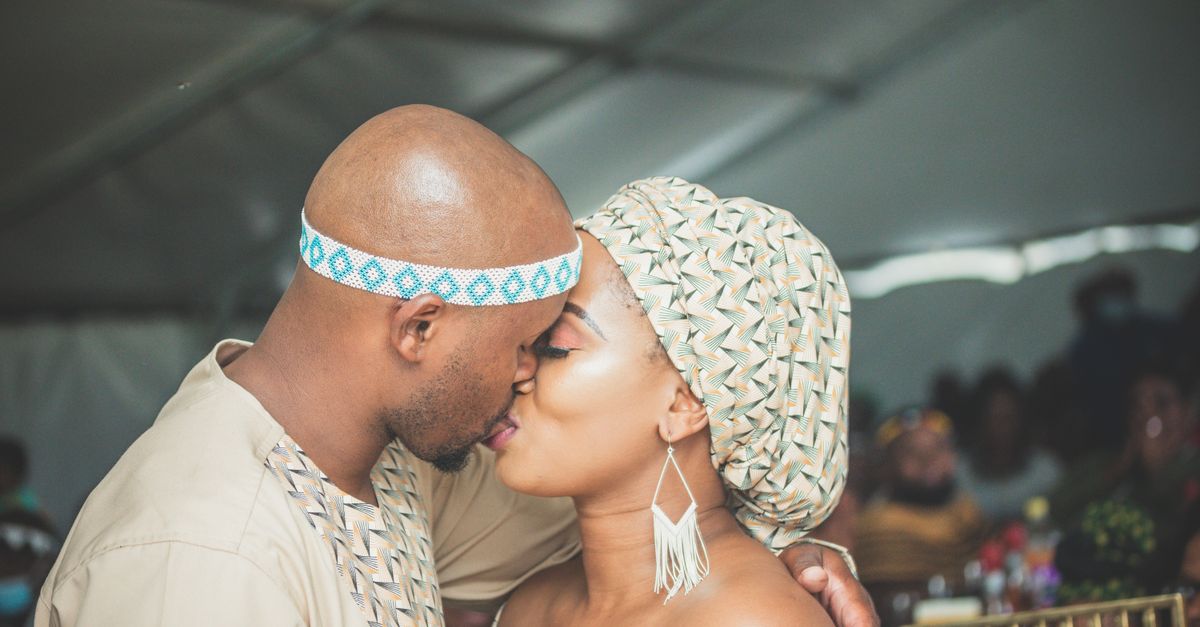
Dating Across Tribes in Nigeria: Making It Work
Igbo and Yoruba, Hausa and Ijaw — inter-ethnic relationships are common and rewarding. How to handle family worries, culture and language with care.
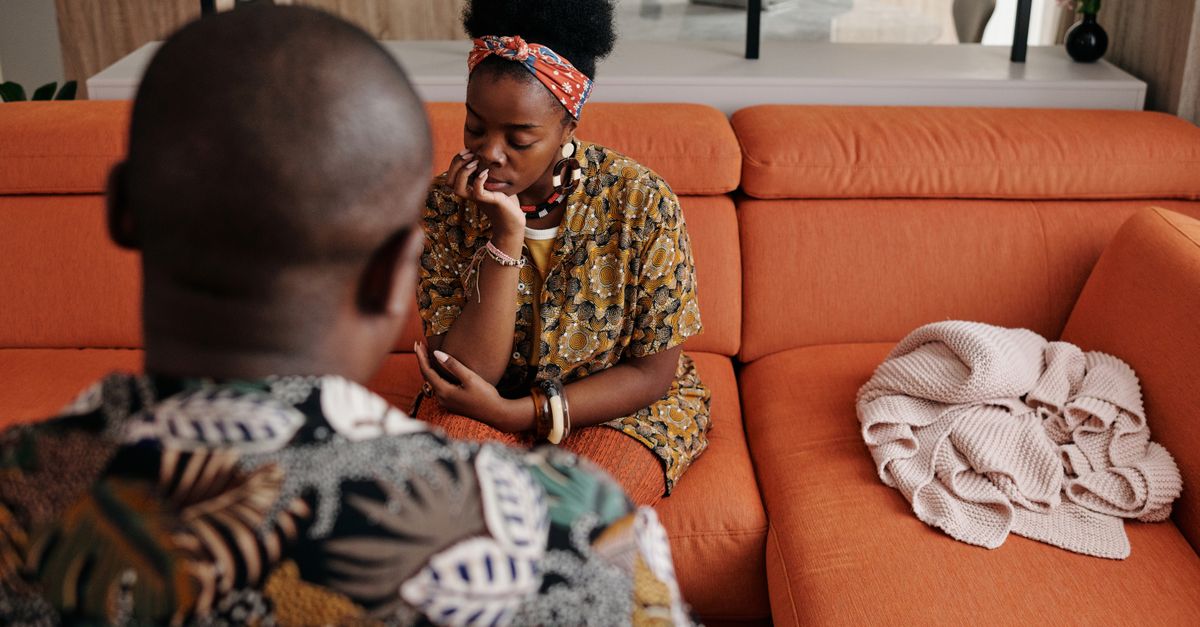
40 Questions to Ask Before Marriage
Children, money, faith, family, careers and conflict. The questions couples should talk through before marriage — honestly, and well before the wedding.